
MusicTech.blog
Best Budget Audio Interfaces in 2026: Under $100
July 20, 2026
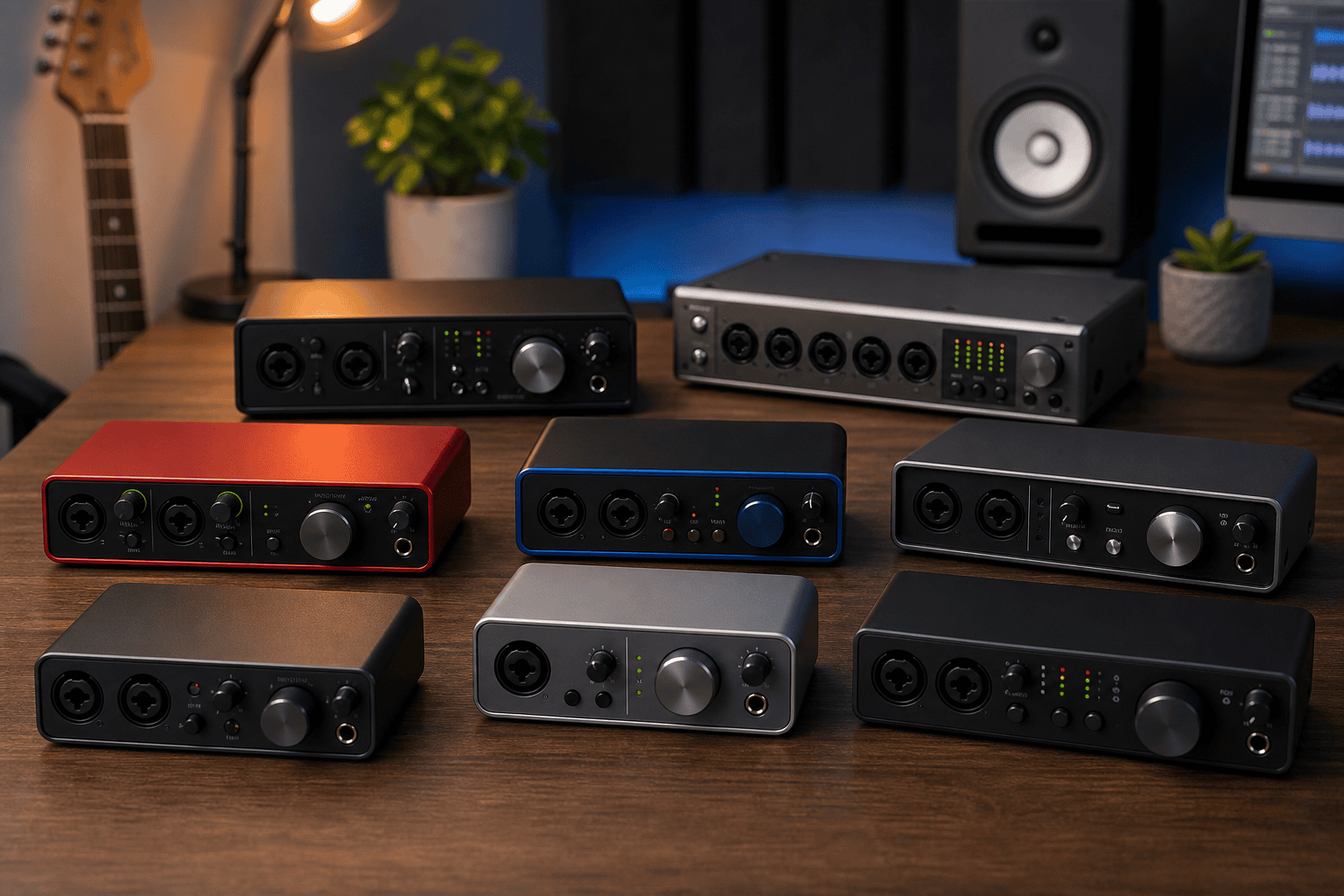
Not every producer needs a £170 audio interface. If you’re recording podcasts, voiceovers, singer-songwriter demos, or simple home recordings with one or two sources at a time, a sub-$100 audio interface can meet your needs cleanly and reliably. The market at this price point is more competitive than it’s ever been, with genuine performance improvements over what budget interfaces offered just five years ago. This guide covers the best options under $100 in 2026.
What to Expect at This Price
Sub-$100 interfaces represent real trade-offs compared to mid-range options: preamp quality is functional rather than exceptional, maximum gain is typically adequate for dynamic microphones but can struggle with very low-output dynamics like the SM7B, converter performance is competent but below the dynamic range and noise performance of interfaces in the $150–$300 range. For recording vocals with a quality condenser microphone in a treated space, these limitations rarely matter in the final result. For professional tracking sessions where preamp character and maximum clean gain are critical, they do.
Focusrite Scarlett Solo (4th Gen) — ~$120
Technically just above $100 but consistently available at or below this threshold in promotions, the Scarlett Solo 4th Gen is the default recommendation at the entry level. One XLR preamp, one instrument input, USB-C, Air mode (a high-frequency presence boost that adds openness to condenser recordings), and the 4th generation’s improved preamp specifications. The driver stability, software bundle, and brand support infrastructure make it the safest first interface purchase for most beginners.
PreSonus AudioBox USB 96 — ~$100
Two XLR/TRS combo inputs, two instrument inputs, MIDI I/O, and a bundled copy of Studio One Artist (a full-featured DAW, not a limited demo) at $100 is remarkable value. The AudioBox USB 96 provides more connectivity than any competitor at this price — two simultaneous mic inputs and MIDI I/O allow setups that the Scarlett Solo can’t achieve. Preamp quality is adequate without being exceptional. The Studio One bundle alone represents significant added value for producers starting from scratch who need a DAW alongside their interface.
Behringer U-PHORIA UM2 — ~$30
At $30, the Behringer UM2 is the most affordable path from analogue signal to digital audio. One XLR input, one instrument input, USB bus-powered, no drivers required on modern operating systems. The preamp quality is noticeably below the Scarlett and AudioBox — more noise, less headroom, less detail — but for podcasting, basic voiceover recording, or trying out recording before committing to a more significant investment, it’s functional. Not recommended as a long-term solution for music production, but perfectly acceptable as an absolute entry point.
Audient EVO 4 — ~$130
The Audient EVO 4 is just above the $100 threshold but worth including for the significant preamp quality step it represents over typical budget interfaces. Audient’s console-derived preamp heritage produces a warmer, more characterful sound than the clean but neutral Focusrite approach. The Smartgain automatic level-setting feature sets optimal recording levels by listening to the source — genuinely useful for beginners who aren’t yet confident setting levels manually. For producers who value preamp character and can stretch a small amount beyond the $100 limit, the EVO 4 is an excellent choice.
Which Should You Buy?
For most beginners: the Focusrite Scarlett Solo if you can stretch to ~$120, or the PreSonus AudioBox USB 96 if MIDI connectivity and a bundled DAW are priorities. The Behringer UM2 at $30 is the right choice only if budget is extremely tight and you understand its limitations. The Audient EVO 4 is the best sound at the near-$100 tier for producers who prioritise preamp character.