
MusicTech.blog
Rode NT1-A Review: The Home Studio Condenser Standard
July 20, 2026
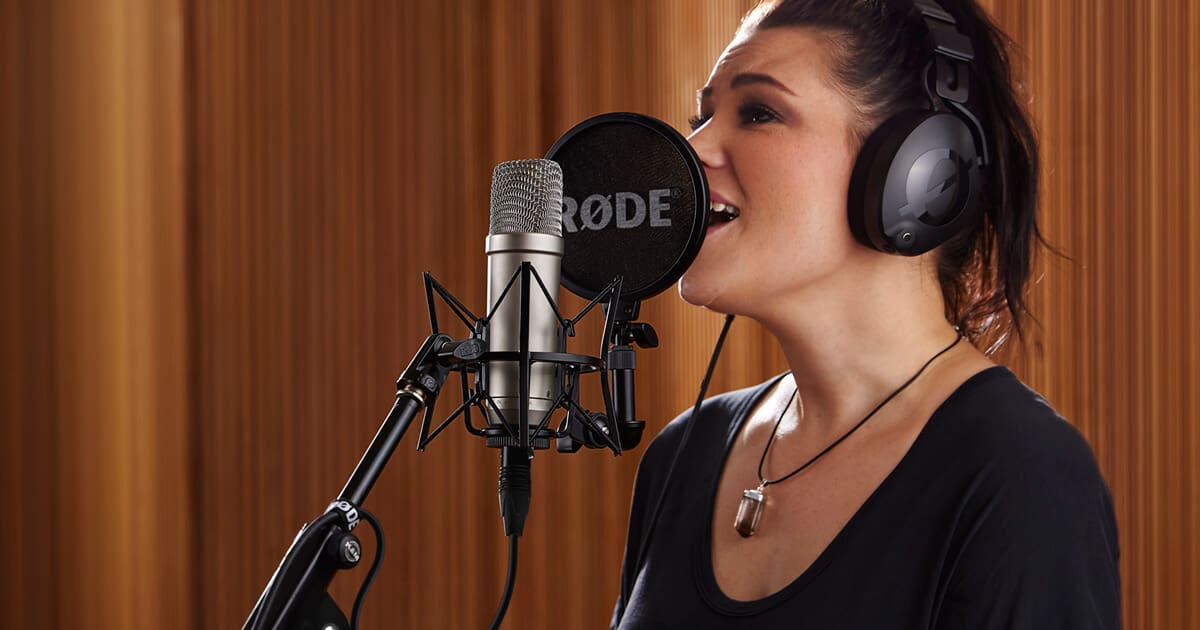
The Rode NT1-A has been one of the most widely recommended home studio microphones for nearly two decades. Its combination of exceptionally low self-noise, a smooth and detailed frequency response, solid build quality, and a price well below comparable microphones from European manufacturers made it the default recommendation for home studio vocal recording throughout the 2000s and 2010s. The NT1-A has since been joined by the NT1 5th Generation, but the NT1-A remains in production and continues to sell because it remains genuinely excellent at its price point. This review examines whether it’s still the right choice in 2026.
Specifications
The NT1-A is a large-diaphragm condenser with a fixed cardioid polar pattern, a self-noise specification of 5dB SPL (A-weighted), a maximum SPL of 137dB, and a frequency response of 20Hz–20kHz with a presence boost around 12kHz and a slight low-frequency rolloff below 100Hz. It requires 48V phantom power. The package includes a shock mount and pop filter, which adds value relative to competitors that ship without accessories.
Sound Character
The NT1-A’s self-noise specification of 5dB SPL is exceptional — among the quietest large-diaphragm condensers at any price. This makes it particularly effective for recording quiet acoustic sources (fingerpicked acoustic guitar, classical voice, quiet spoken word) where microphone self-noise would otherwise be audible in the quieter passages. The presence boost around 12kHz adds air and openness to vocals, which can be flattering or can make some voices sound slightly bright or sibilant depending on the vocalist’s natural character. A gentle high-shelf cut at 10–12kHz in post-processing addresses this easily when needed.
The frequency response is detailed and extended, capturing the full range of vocals and acoustic instruments accurately. The NT1-A doesn’t impose a particularly strong tonal character of its own — it’s a neutral-tending microphone that lets the source’s natural sound come through, which is a virtue in a recording microphone.
NT1-A vs NT1 5th Generation
The NT1 5th Generation (the current model) adds USB connectivity alongside XLR, updated internal capsule and electronics, and a slightly lower self-noise specification (4.5dB). The XLR-only NT1-A has a different sonic character — some engineers prefer its slightly warmer, more vintage character compared to the 5th generation’s more modern, open presentation. If you need USB connectivity (to record without an audio interface), the 5th generation is the clear choice. For XLR-only studios, the choice between them is genuinely close and comes down to personal preference after auditioning both.
Verdict
The NT1-A remains an excellent choice for home studio vocal and acoustic instrument recording. Its self-noise performance is exceptional, its frequency response is detailed and natural, and the included shock mount and pop filter add immediate practical value. For producers looking for a reliable, proven condenser microphone at an accessible price point, it continues to be a solid recommendation — though the updated NT1 5th Generation is now the more direct comparison at a similar price.