
MusicTech.blog
Best Microphones for Home Recording in 2026: Every Budget Covered
July 20, 2026
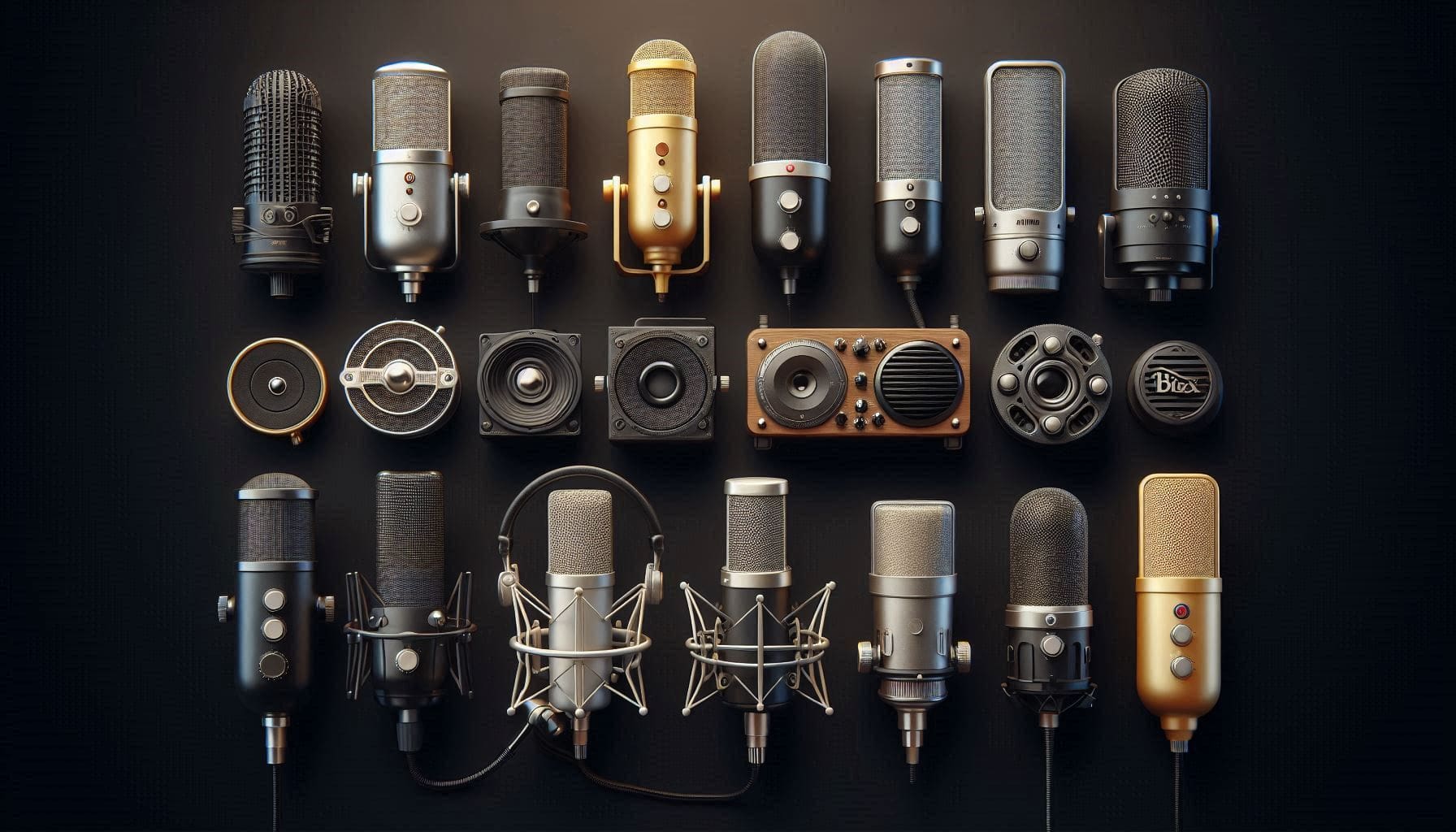
Choosing a microphone for home recording is one of the most consequential gear decisions you’ll make — it’s the first link in the recording chain, and a poor-quality or wrong-type microphone imposes limitations that no amount of downstream processing can fully overcome. This guide covers the best options at every price point, from sub-$100 entry-level condensers to mid-range workhorses that professional engineers use on commercial recordings.
Dynamic vs Condenser: Which Type Do You Need?
The choice between dynamic and condenser microphones is the most fundamental decision in microphone selection, and it depends primarily on what you’re recording and in what acoustic environment.
Condenser microphones are more sensitive, capture more high-frequency detail, and produce a more open, airy sound. They require phantom power (+48V from your audio interface). They’re the standard choice for studio vocal recording, acoustic instruments, and any source where you want maximum detail and frequency response. Their sensitivity means they also pick up more room noise — in an untreated room, they capture every reflection and ambient sound alongside the intended source.
Dynamic microphones are less sensitive, more robust, and reject off-axis sound more effectively. They don’t require phantom power. They’re the standard choice for live performance, loud sources (guitar amps, drums), and recording in acoustically imperfect spaces where a condenser’s sensitivity would capture too much room character. The trade-off is less high-frequency detail and a less open sound than a quality condenser.
Under $100: Audio-Technica AT2020
The Audio-Technica AT2020 is the default recommendation at the entry level — a large-diaphragm condenser with a cardioid polar pattern, a frequency response of 20Hz–20kHz, and a self-noise specification of 20dB SPL. It produces clean, accurate vocal recordings that are genuinely difficult to distinguish from more expensive microphones in a well-treated room. At around $99, it represents the best value for a first condenser microphone.
Its limitations: the build is lighter than mid-range microphones, and the high-frequency response has a modest presence peak that adds definition to vocals but can make some sources sound slightly bright. For beginner to intermediate home studio use, these are minor considerations.
$100–$200: Rode NT1 5th Generation
The Rode NT1 has been a home studio staple for decades. The 5th generation update added USB connectivity (it can now connect directly to a computer without an audio interface), maintained the exceptionally low self-noise (4.5dB SPL — genuinely exceptional, allowing recording of very quiet sources with an extremely clean noise floor), and retained the smooth, detailed frequency response that made the NT1 a professional-quality choice at an accessible price. At around $170, it’s the step-up choice for serious home studio recording.
$200–$400: sE Electronics sE2200
The sE2200 is a large-diaphragm condenser with three selectable polar patterns (cardioid, figure-8, and omnidirectional) — a versatile feature that expands recording applications significantly. Figure-8 mode enables Blumlein stereo recording and can be used for room mic applications; omnidirectional mode captures a natural room sound for ambient recording. The sE2200’s sound character is detailed and open without harshness, handling female vocals particularly well. Build quality is robust — solid metal construction that feels genuinely professional.
$400–$700: AKG C414 XLII
The AKG C414 is a professional studio microphone that appears on sessions at every level of the industry — from home studios to major commercial facilities. Nine selectable polar patterns, three high-pass filter settings, three pad settings, and a frequency response that is precise, detailed, and professional. The XLII version has a subtle presence boost that adds air and definition to vocals and acoustic instruments. At this price point, the C414 will handle any recording task in any studio for decades without requiring replacement.
Dynamic Recommendation: Shure SM57
For instrument recording — guitar amplifiers, snare drums, brass, woodwinds — the Shure SM57 at around $100 is the universal recommendation. It has been the industry standard instrument microphone for over 50 years, for good reason: it’s virtually indestructible, handles extremely high sound pressure levels, has a frequency response optimised for instrument pickup, and produces consistent results regardless of the application. Every studio in the world has at least one.
Further Reading
- How To Choose A Great Microphone
- How to Record Vocals at Home
- How to Record an Acoustic Guitar at Home
- Choosing An Audio Interface
In-Depth Microphone Reviews
Want a closer look at specific models from these same brands?